
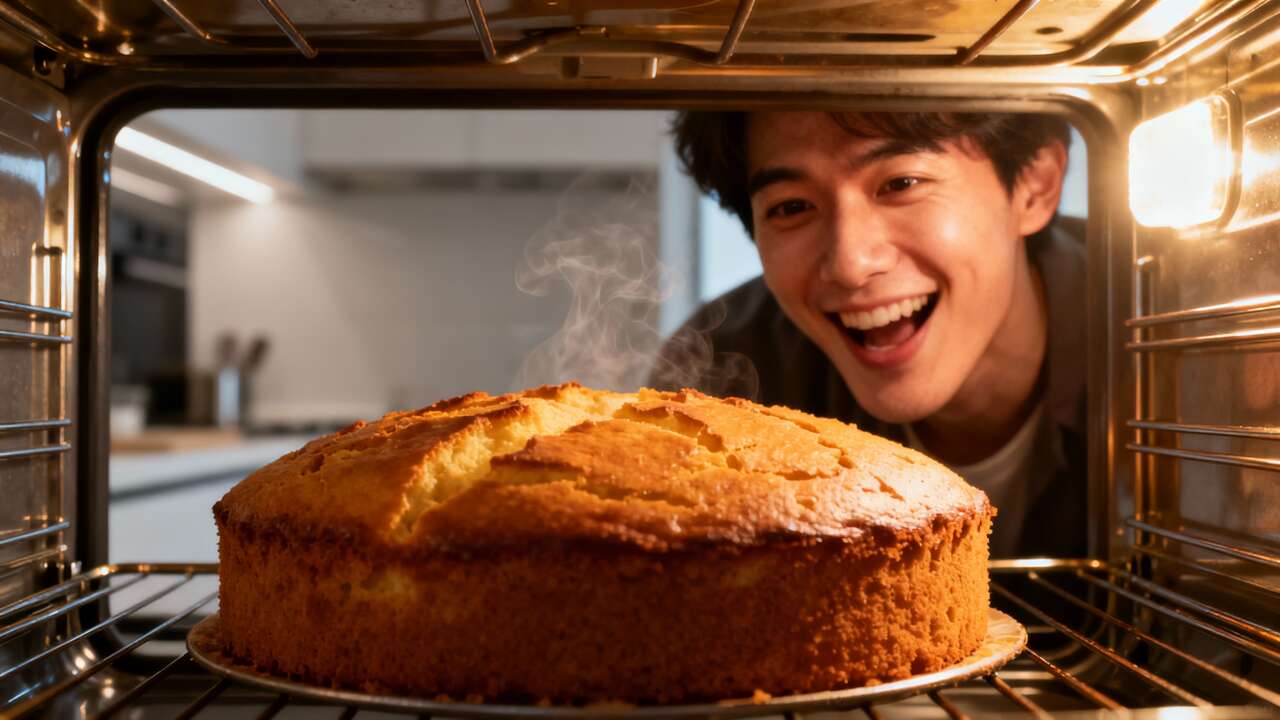

The moment of truth arrives. After carefully mixing, pouring, and patiently waiting, you open the oven door to find a golden-brown masterpiece, perfectly risen. But within minutes, the center begins to sink, leaving a frustrating crater in what was supposed to be a celebration-worthy cake. This common baking tragedy, the collapsed cake, is a disheartening experience for bakers of all levels. The good news is that it’s almost always preventable. The cause typically lies not in a faulty recipe, but in the subtle nuances of chemistry and physics at play inside your oven. By understanding these principles and following a few simple steps, you can ensure your cakes remain light, airy, and structurally sound from oven to plate.
Understanding the Causes of Cake Collapse
A cake’s rise is a delicate balance of ingredients and heat working in harmony. The structure is primarily built by a network of proteins from flour (gluten) and eggs, which trap gases released by leavening agents like baking soda or baking powder. When this structure is compromised or fails to set properly before the leavening gases dissipate, a collapse is inevitable. The issue can stem from several key areas in the baking process, from batter preparation to the oven environment itself.
The Fragile Structure
Think of cake batter as a construction project. Leavening agents create bubbles of carbon dioxide gas, which expand in the oven’s heat, causing the cake to rise. Simultaneously, the heat causes the proteins in the eggs and flour to coagulate and set, forming a sturdy yet tender crumb that locks those air pockets in place. If the structure sets too slowly or is disrupted, it cannot support its own weight, leading to a sunken center. This is why under-baking is a primary cause of collapse; the cake may look done on the outside, but the internal structure is still wet and weak.
Common Baking Errors
Several common mistakes can disrupt this delicate process. Over-mixing the batter after adding flour can overdevelop gluten, creating a tough, dense cake that may rise and then fall. Conversely, under-mixing can fail to combine ingredients properly, leading to an unstable structure. A sudden, drastic drop in temperature, most often caused by opening the oven door too early, can shock the batter, causing the expanding gas bubbles to contract rapidly and the unset structure to fall in on itself. Even using old or expired leavening agents can be the culprit, as they lose their potency and fail to produce enough lift.
| Cause of Collapse | Scientific Explanation | How to Identify |
|---|---|---|
| Under-baking | The internal protein and starch structure has not fully set and cannot support the cake’s weight after cooling. | The cake has a gummy, wet, or dense streak in the center, even if the edges are cooked. |
| Opening Oven Door Too Soon | A rush of cool air causes the expanding gas bubbles in the batter to contract suddenly, deflating the cake. | The cake sinks dramatically in the middle immediately after the door is opened or shortly after being removed from the oven. |
| Incorrect Oven Temperature | An oven that is too hot sets the crust too quickly, preventing the center from rising properly. An oven that is too cool doesn’t set the structure fast enough. | A very dark crust with a raw center (too hot) or a pale, dense cake (too cool). |
| Over-mixing Batter | Excessive mixing overdevelops gluten, creating large air tunnels that grow and then collapse, leaving a heavy cake. | The cake has a tough, rubbery texture and may have large holes or tunnels. |
Understanding these fundamental causes is the first step. With this knowledge, we can see how the precision of our actions, starting with the very first scoop of flour, directly impacts the final outcome.
The Importance of Properly Measured Ingredients
Baking is often described as a science, and for good reason. Unlike cooking, where a little extra of this or that can be a matter of taste, baking relies on precise chemical reactions. The ratio of flour to fat, sugar to liquid, and leavener to everything else is a carefully balanced equation. Altering these ratios, even slightly, can throw off the entire formula and lead to disappointing results, including a collapsed cake.
Accuracy is Non-Negotiable
The most reliable way to ensure accuracy is to use a digital kitchen scale. Measuring by volume (with cups) is notoriously inconsistent. The amount of flour in one cup can vary significantly depending on whether it was scooped directly from the bag or spooned and leveled. This difference can be enough to turn a light, fluffy cake into a dense, heavy one that is prone to sinking. Too much flour absorbs excess liquid, creating a dry batter that struggles to rise. Too little flour results in a weak structure that cannot trap air effectively.
The Power of Leaveners
Leavening agents are the powerhouse behind a cake’s rise, but they must be used correctly. It is crucial to use the type and amount specified in the recipe. Baking soda is an alkali that requires an acid (like buttermilk, vinegar, or lemon juice) to activate and produce carbon dioxide. Baking powder is a complete leavening agent, containing both an acid and a base, which activates when it comes into contact with liquid and heat. Using one in place of the other without proper adjustments will disrupt the cake’s chemistry. Furthermore, ensure your leaveners are fresh. An easy way to test them is:
- Baking Powder Test: Stir a half-teaspoon into a small amount of hot water. If it fizzes and bubbles vigorously, it’s still active.
- Baking Soda Test: Add a quarter-teaspoon to a splash of vinegar. It should bubble immediately if it’s fresh.
| Measuring Method | Weight of 1 Cup All-Purpose Flour | Potential Impact on Cake |
|---|---|---|
| Spoon and Level Method | Approximately 120-125 grams | This is the standard and generally leads to the intended recipe outcome. |
| Dip and Sweep Method | Approximately 140-150 grams | Can result in up to 20% too much flour, leading to a dry, dense, and heavy cake that may collapse. |
Once you have your ingredients measured with scientific precision, the next stage—the actual baking process—requires just as much attention to detail to prevent a collapse.
Tips to Prevent Collapse During Baking
With perfectly measured ingredients and a well-prepared batter, you’ve set the stage for success. However, the baking phase itself is where many potential pitfalls lie. How you handle the cake as it transforms in the oven is just as critical as how you prepared it. Adhering to a few key principles during this time can make all the difference between a sunken disappointment and a towering success.
Prepare Your Pan and Batter Correctly
The foundation of a good bake starts with the pan. Using the correct pan size is crucial; a pan that is too small for the amount of batter will cause it to overflow and then collapse as it has no structure to cling to. Conversely, a pan that is too large will result in a thin, flat cake that may overbake. Proper preparation of the pan by greasing and flouring (or lining with parchment paper) ensures the cake can rise evenly up the sides and releases cleanly after baking. Furthermore, once your batter is mixed, get it into the prepared pan and into the preheated oven without delay. The leavening agents begin working as soon as they are combined with wet ingredients, and letting the batter sit for too long can cause them to lose their lifting power before the cake even starts to bake.
Resist the Urge to Peek
One of the most common and damaging mistakes is opening the oven door too early or too often. The initial phase of baking is when the “oven spring” occurs—the final burst of rising driven by the heat and expanding gases. During this time, the cake’s internal structure is still liquid and extremely fragile. Opening the door lets in a rush of cool air, causing a sudden temperature drop that can make the delicate, un-set structure collapse. As a rule, avoid opening the oven for at least the first two-thirds of the recommended baking time. Rely on the oven light to check on its progress.
Test for Doneness at the Right Time
Knowing when a cake is perfectly baked is an art, but there are reliable tests. Waiting until the cake appears risen, golden brown, and is pulling away slightly from the sides of the pan is a good visual cue to perform a doneness test. The most common method is inserting a wooden skewer or toothpick into the center of the cake.
- If it comes out with wet batter, the cake needs more time.
- If it comes out with a few moist crumbs attached, it is perfectly done.
- If it comes out completely clean, it may be slightly over-baked but is definitely cooked through.
These in-the-moment techniques are vital, but they all rely on one external factor that has ultimate control over your cake’s fate: the oven’s temperature.
The Crucial Role of Oven Temperature
You can follow a recipe to the letter, measure every ingredient with precision, and mix your batter perfectly, but if your oven’s temperature is inaccurate, your efforts may be in vain. The oven is not just a hot box; it is the environment where all the crucial chemical reactions of baking take place. An incorrect temperature can disrupt the delicate timing of these reactions, leading directly to a collapsed cake.
Your Oven Is Probably Lying to You
It’s a hard truth for many home bakers: the temperature you set on your oven dial is often not the actual temperature inside. Most residential ovens can be off by as much as 25-50°F, or even more. They also tend to have hot spots, meaning some areas are hotter than others. The only way to know the true temperature is to use an independent oven thermometer. Place it in the center of the middle rack to get an accurate reading, and adjust your oven dial accordingly. This simple, inexpensive tool is one of the most important investments a baker can make.
The Science of Temperature
The correct temperature ensures that the cake’s crust and interior bake at the proper rates.
- If the oven is too hot: The outside of the cake will set and brown too quickly, before the leavening agents have had enough time to work their magic and lift the center. This can cause the crust to crack as the inside continues to rise, or it can lead to a dense, gummy center that collapses upon cooling.
- If the oven is too cool: The leavening will react slowly, and the cake’s protein and starch structure won’t set quickly enough to trap the air bubbles. The cake will rise slowly and then fall, resulting in a dense, heavy texture.
Proper preheating is also essential. Placing a cake in an oven that hasn’t reached its target temperature is a recipe for failure. Allow at least 20 minutes for your oven to fully preheat and stabilize before putting your cake inside.
| Cake Type | Recommended Oven Temperature (Fahrenheit) | Baking Rationale |
|---|---|---|
| Butter Cakes (e.g., Pound Cake, Yellow Cake) | 325-350°F | A moderate temperature allows the dense, high-fat batter to heat through and set evenly without the exterior burning. |
| Sponge & Chiffon Cakes | 325-350°F | This temperature is gentle enough to bake the delicate foam structure without drying it out or causing it to collapse. |
| Angel Food Cake | 350-375°F | A slightly higher temperature helps quickly set the egg white-based structure to maintain its impressive volume. |
Even with perfect temperature control, accidents happen. Knowing what to do when a cake does fall can turn a potential disaster into a delicious new creation.
What to Do After a Cake Collapse
Despite your best efforts, you may still occasionally face a cake with a sunken center. It is a frustrating moment, but it does not mean your dessert is destined for the trash bin. Instead of viewing it as a failure, consider it an opportunity for culinary creativity. A collapsed cake, while not visually perfect, is still made of delicious ingredients and can be repurposed into a variety of impressive and tasty treats.
Assess the Damage
First, determine if the cake is salvageable. If the center is just slightly sunken but otherwise cooked through, you can often disguise the imperfection. A generous dusting of powdered sugar, a layer of fresh fruit, or a dollop of whipped cream can easily cover the dip. You can even level the cake by trimming off the raised edges and then frosting the entire thing. However, if the center is raw and gummy, the cake cannot be served as-is. In this case, you’ll need to transform it.
Creative Salvage Operations
A collapsed cake provides an excellent base for desserts that don’t require structural integrity. The key is to break it down and combine it with other ingredients to create something new and exciting. Some of the best ways to repurpose a failed cake include:
- Cake Pops or Truffles: Crumble the cooked parts of the cake into a bowl, mix with a binder like frosting or cream cheese until it holds together, roll into balls, and dip in melted chocolate.
- Trifle: This layered English dessert is perhaps the perfect disguise for a collapsed cake. Simply cut the cake into cubes and layer them in a glass bowl with pastry cream, fruit, whipped cream, and perhaps a drizzle of liqueur. Repeat the layers until the bowl is full.
- Cake Crumbles or Toppings: Toast the cake crumbles in the oven until they are dry and crispy. These can be used as a crunchy topping for ice cream, yogurt, or puddings, similar to a streusel.
- Bread Pudding: Cut the cake into cubes and use it in place of bread in your favorite bread pudding recipe. The cake will soak up the custard beautifully, creating a rich and decadent dessert.
These recovery missions are a valuable skill for any baker. But to avoid them altogether, a few final, overarching tips can help ensure consistent success.
Additional Tips for Perfect Cakes
Beyond the major pillars of ingredient measurement, oven temperature, and baking technique, there are several other subtle but significant factors that contribute to the success of a cake. These details often separate a good baker from a great one. Incorporating these habits into your routine can provide that extra insurance against collapses and lead to consistently superior results.
The Importance of Room Temperature Ingredients
Many recipes call for ingredients like butter, eggs, and milk to be at room temperature, and this instruction should not be ignored. Room temperature ingredients emulsify better, creating a smooth, uniform batter that traps air more effectively. Cold butter, for instance, does not cream properly with sugar, resulting in a dense, heavy cake. Cold eggs added to a creamed butter mixture can cause it to curdle and break. Taking the time to let your ingredients sit out for 30-60 minutes before you begin mixing is a simple step that yields a significantly lighter and more stable cake crumb.
The Final Steps: Cooling and Handling
The baking process doesn’t end when the cake comes out of the oven. Proper cooling is a critical final step in setting the cake’s structure. Most butter and oil-based cakes should be cooled in their pan on a wire rack for 10-20 minutes. This allows the structure to firm up slightly, making it less likely to break when you invert it. Removing it from the pan too soon can cause it to fall apart. Leaving it in the pan for too long can make it steam and become gummy. After the initial cooling period, invert the cake onto a wire rack to cool completely. This allows air to circulate around the entire cake, preventing condensation from making the bottom and sides soggy.
By integrating these finer points with the core principles of precise measurement and temperature control, you build a comprehensive strategy for baking success. Every step, from preparing your ingredients to the final cooling, plays a role in achieving that perfect, well-risen cake.
Achieving a perfectly risen cake is not a matter of luck, but a result of understanding and respecting the baking process. From the precise measurement of ingredients using a scale to the critical management of oven temperature with a reliable thermometer, each step builds upon the last. Avoiding common pitfalls such as opening the oven door prematurely and ensuring the cake is baked through are crucial for developing a stable internal structure. Even when a collapse occurs, it presents an opportunity for creativity rather than defeat. By consistently applying these techniques, you can leave the frustration of sunken cakes behind and confidently produce beautiful, delicious results every time you bake.

- This Forgotten Veggie Works Equally Well in Sweet or Savory Dishes - 11 November 2025
- This Tropical Fruit Reduces Blood Pressure and Stress Naturally - 11 November 2025
- This Simple Step Prevents Cakes From Collapsing in the Oven - 11 November 2025


