
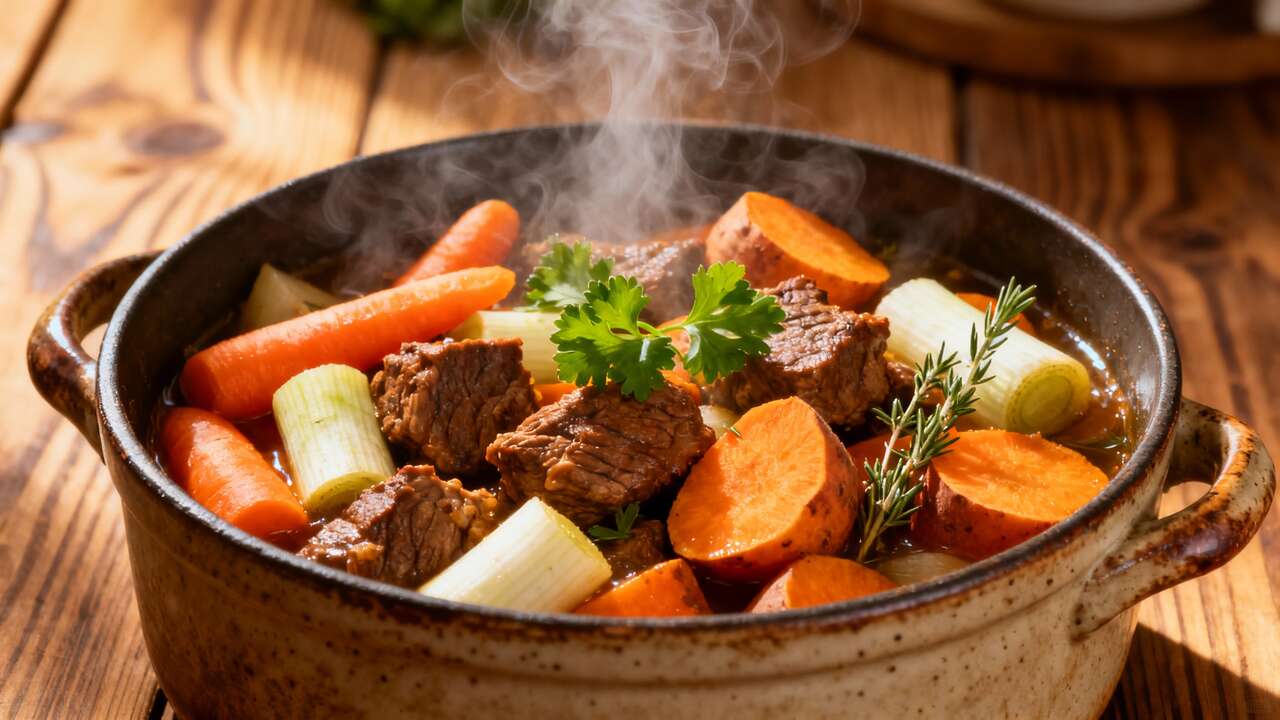

As the crisp air of fall arrives, the appeal of a warm, comforting stew becomes undeniable. These one-pot meals are endlessly adaptable, changing with the seasons and personal tastes. While many traditional recipes rely on meat for substance, a closer look at the harvest reveals a category of ingredients perfectly suited to create a hearty and satisfying dish. This exploration focuses on root vegetables, showcasing their potential to stand in as the central component for comforting and deeply nutritious meals.
The benefits of root vegetables in stews
A powerhouse of nutrition
Root vegetables, which grow underground, absorb a high concentration of nutrients from the soil. This makes them an exceptional choice for a health-conscious meal. They are typically rich in complex carbohydrates, providing sustained energy, and are a fantastic source of dietary fiber, which is crucial for digestive health. Furthermore, many of these vegetables are packed with essential vitamins and minerals. For instance, carrots are renowned for their high vitamin A content, while potatoes and parsnips offer a significant amount of potassium and vitamin C. Incorporating a variety of these into a stew creates a dish that is not only filling but also supports overall well-being.
Complex flavors and satisfying textures
Beyond their nutritional profile, root vegetables bring a remarkable depth of flavor and a pleasing texture to any stew. When cooked slowly, their natural sugars caramelize, lending a subtle sweetness that balances savory elements. Vegetables like turnips and rutabagas contribute a mild, earthy flavor that is quintessentially autumnal. The texture they provide is equally important; they hold their shape well during long cooking times, offering a substantial and satisfying bite that can mimic the heartiness of meat. This ability to remain firm yet tender is key to creating a stew that feels robust and complete.
| Vegetable | Calories | Fiber (g) | Key Nutrients |
|---|---|---|---|
| Carrot | 41 | 2.8 | Vitamin A, Vitamin K |
| Parsnip | 75 | 4.9 | Vitamin C, Folate, Potassium |
| Turnip | 28 | 1.8 | Vitamin C, Calcium |
| Rutabaga | 38 | 2.3 | Vitamin C, Potassium |
| Beet | 43 | 2.8 | Folate, Manganese |
The inherent qualities of these vegetables, from their dense nutritional makeup to their ability to develop rich flavors, make them more than just a supporting ingredient. They are fully capable of becoming the star of the dish, providing a foundation that is both healthy and delicious.
Root vegetables as perfect meat substitutes
Mimicking the heartiness of meat
One of the primary challenges in creating a vegetarian stew is achieving the substantial, satisfying quality often associated with meat-based dishes. Root vegetables excel in this role. Their dense, firm texture does not dissolve into mush during the slow simmering process. Instead, vegetables like potatoes, rutabagas, and large chunks of carrot become tender while retaining a pleasing, hearty bite. The key is to cut them into large, uniform pieces, allowing them to cook evenly and contribute a robust structure to the final dish. Some vegetables, like large portobello mushrooms or even seitan, can be combined with roots to further enhance this meaty texture for those seeking an even closer plant-based alternative.
Building a complete protein profile
While root vegetables provide substance, they are not a significant source of protein. To create a nutritionally balanced meal, it is essential to pair them with plant-based proteins. This combination turns a simple vegetable stew into a complete and sustaining dish. Excellent additions include:
- Lentils: Both green and brown lentils hold their shape well and add an earthy flavor and a significant protein boost.
- Chickpeas: These add a slightly nutty taste and a firm, satisfying texture that complements the softness of the cooked vegetables.
- Black beans or kidney beans: These beans bring color, protein, and additional fiber, making the stew even more filling.
- Seitan: For a vegan version that closely mimics the texture of beef, seitan is an outstanding choice. It readily absorbs the flavors of the broth and spices.
By thoughtfully combining these proteins with a medley of root vegetables, you can craft a stew that is indistinguishable from its meat-based counterparts in terms of satisfaction and richness, proving that a plant-centric approach can deliver a truly comforting meal.
How to cook a root vegetable stew
Laying the foundation of flavor
A truly great stew begins with building layers of flavor from the very start. This process, often called creating a “mirepoix” or “sofrito,” is non-negotiable for a rich and complex result. Begin by heating a quality cooking oil or butter in a heavy-bottomed pot over medium heat. Add diced aromatics like onions, celery, and garlic. Cook them slowly until they are softened and translucent, which can take 8 to 10 minutes. Do not rush this step, as it coaxes out their natural sweetness. Following this, you can add tomato paste and cook it for another minute until it darkens slightly, which deepens the savory, umami flavor of the entire dish.
The art of the slow simmer
Once the aromatic base is established, it is time to add the core ingredients. Add your chopped root vegetables, such as carrots, potatoes, parsnips, and turnips, and stir to coat them in the flavorful base. Pour in your liquid—vegetable broth is ideal for a vegetarian version, but a mushroom broth can add even more depth. For seasoning, add dried herbs like thyme, rosemary, and a bay leaf. Bring the mixture to a boil, then immediately reduce the heat to low, cover the pot, and let it simmer gently. A long, slow simmer of at least one to two hours is crucial. This extended cooking time allows the flavors to meld together and the vegetables to become perfectly tender without falling apart.
Creative recipe variations
The basic root vegetable stew is a canvas for endless creativity. For a vegetarian stew with a protein punch, add a can of drained chickpeas or a cup of brown lentils during the last 30 minutes of cooking. For a vegan option that satisfies even meat-eaters, introduce seitan chunks along with the vegetables and consider adding sliced mushrooms for extra earthiness. If you are not strictly vegetarian, a classic beef and root vegetable stew can be made by browning cubes of beef shoulder roast after the aromatics and before adding the vegetables, then simmering everything in a rich beef broth, perhaps enhanced with a splash of red wine. In any variation, adding fresh greens like kale or spinach in the final minutes of cooking will add a nutritional boost and vibrant color.
Tips for thickening your vegetarian stews
Harnessing natural starches
One of the simplest and most effective ways to thicken a stew is to use the natural starches already present in the ingredients. Potatoes and parsnips are particularly high in starch. Towards the end of the cooking process, you can use the back of a spoon or a potato masher to gently crush a few pieces of cooked potato or other starchy vegetables directly in the pot. Stir them into the broth, and their released starches will naturally thicken the liquid without altering the flavor profile. Another method is to remove about a cup of the vegetables and broth, blend it until smooth, and then stir the resulting purée back into the stew. This creates a creamy consistency while preserving the integrity of the remaining vegetable chunks.
Creating a slurry for precise control
For a more controlled and guaranteed thickening, a slurry is a classic culinary technique. A slurry is a mixture of a starch and a cold liquid, which is then whisked into the hot stew. This method prevents the clumping that can occur if you add dry flour or starch directly to hot liquid. Common choices include:
- All-purpose flour: Mix equal parts flour and cold water or broth until completely smooth before adding it to the simmering stew. Cook for at least five more minutes to eliminate any raw flour taste.
- Cornstarch: For a gluten-free option with more thickening power, mix one tablespoon of cornstarch with two tablespoons of cold water. This will give the broth a clearer, glossier finish.
- Arrowroot powder: Another excellent gluten-free alternative, arrowroot creates a silky texture and works well in stews that you might plan to freeze, as it holds up better than cornstarch during freezing and thawing.
When using a slurry, always add it slowly to the simmering stew while stirring constantly until you reach your desired consistency. This ensures a smooth, velvety broth every time.
The best utensils for successful stew making
The cornerstone: a heavy-bottomed pot
The single most important piece of equipment for making an exceptional stew is a heavy-bottomed pot, such as a Dutch oven. The thick base is designed to distribute heat slowly and evenly, which is essential for the long, gentle simmering required for stews. This even heating prevents hot spots from forming on the bottom of the pot, which can cause ingredients to scorch and burn, imparting a bitter taste to the entire dish. A pot with a tight-fitting lid is also crucial, as it traps moisture and heat, allowing the vegetables to become tender and the flavors to concentrate without the liquid evaporating too quickly.
Essential tools for preparation
While the pot is the star, a few other tools make the process smoother and more enjoyable. A sharp chef’s knife is non-negotiable for safely and efficiently chopping the large quantity of firm root vegetables. A sturdy, large cutting board provides a stable surface for this work. Additionally, a long-handled wooden or silicone spoon is ideal for stirring. These materials will not scratch the surface of your pot, especially important if you are using an enameled cast iron Dutch oven, and they do not conduct heat, protecting your hands during the long cooking process. Having these basic but high-quality tools on hand sets you up for success before you even turn on the stove.
| Material | Heat Distribution | Reactivity | Best For |
|---|---|---|---|
| Enameled Cast Iron | Excellent | Non-reactive | All stews, including acidic tomato-based ones. |
| Bare Cast Iron | Excellent | Reactive | Browning meats and non-acidic stews. |
| Stainless Steel | Good (with clad base) | Non-reactive | Lighter stews; requires more attention to prevent scorching. |
Investing in the right equipment not only improves the quality of your stew but also makes the cooking experience more manageable, allowing you to focus on developing those deep, comforting flavors.
Side dish suggestions for a vegetarian stew
Breads and grains for soaking
A hearty root vegetable stew, with its rich and flavorful broth, practically begs for something to soak it all up. Crusty bread is a classic and perfect partner. Slices of sourdough, a rustic baguette, or a hearty whole-grain loaf are all excellent choices for dipping and ensuring that not a single drop of the delicious liquid goes to waste. For a more integrated side, consider serving the stew over a bed of fluffy grains. Quinoa, couscous, or creamy polenta provide a wonderful textural contrast and make the meal even more substantial and filling.
Fresh salads for a bright contrast
While a stew is the epitome of warm, comforting food, its richness can be beautifully balanced by a fresh, crisp side salad. The contrast in both temperature and texture is refreshing to the palate. A simple green salad with a bright, acidic vinaigrette made from lemon juice or red wine vinegar can cut through the richness of the stew. You could also opt for a salad with slightly bitter greens like arugula or radicchio, which provides a peppery counterpoint to the sweet, earthy flavors of the root vegetables. This simple addition elevates the entire meal from a simple one-pot dish to a more complete and well-rounded dining experience.
Whether you choose a classic crusty bread or a vibrant green salad, the right accompaniment enhances the enjoyment of the main dish, completing the perfect comforting meal.
Root vegetables are a versatile and powerful ingredient, capable of transforming a simple stew into a deeply satisfying and nutritious meal. Their ability to provide a hearty texture, absorb rich flavors, and contribute a wealth of nutrients makes them an ideal centerpiece for comforting dishes, especially during the colder months. By mastering the slow simmer, layering flavors, and pairing them with complementary proteins and side dishes, anyone can create a memorable stew. Whether you follow a vegetarian, vegan, or meat-inclusive diet, embracing these earthy staples is a sure way to produce warm, nourishing meals that will delight everyone at the table.

- This Forgotten Veggie Works Equally Well in Sweet or Savory Dishes - 11 November 2025
- This Tropical Fruit Reduces Blood Pressure and Stress Naturally - 11 November 2025
- This Simple Step Prevents Cakes From Collapsing in the Oven - 11 November 2025


