
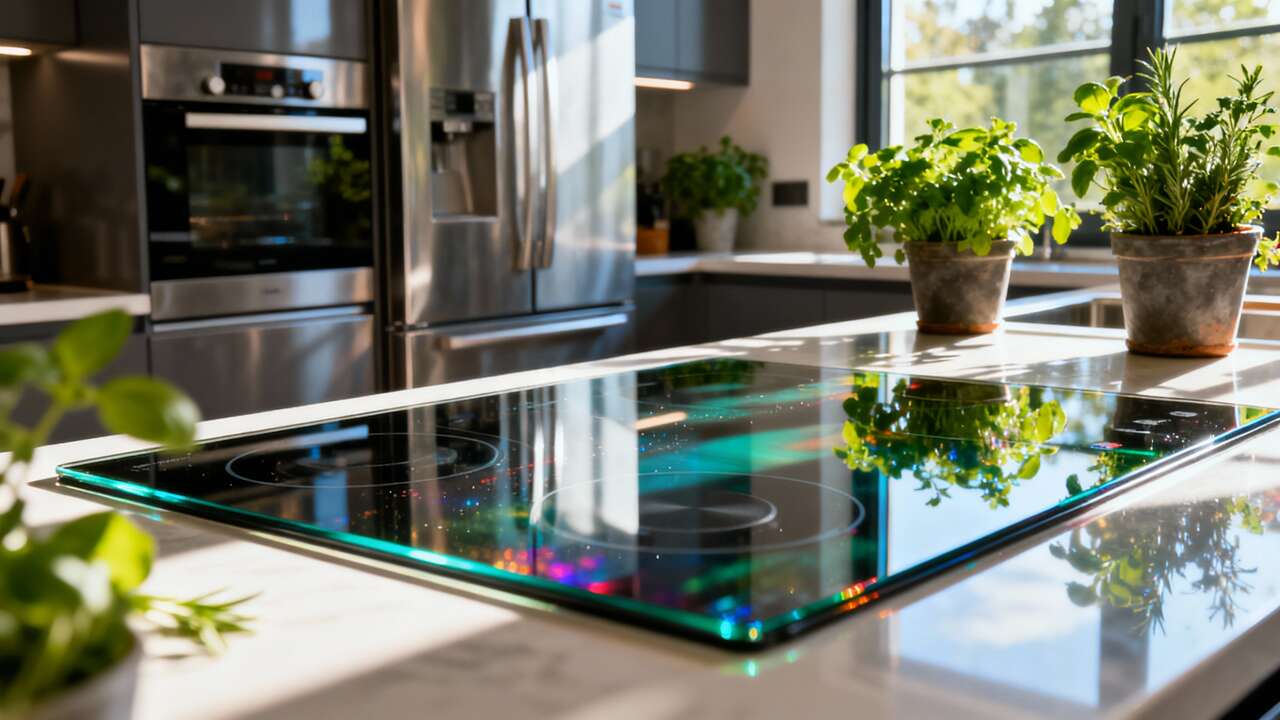

A pristine cooktop is the centerpiece of a functional kitchen, yet keeping it free from grease and burnt-on residue can feel like a constant battle. Many homeowners instinctively reach for powerful, aggressive chemicals, believing them to be the only solution. However, professional kitchen maintenance relies less on harsh agents and more on proper technique and an understanding of how different substances interact with cooking surfaces. The most effective methods prioritize the longevity of the appliance, avoiding products that can cause long-term damage in exchange for a short-term shine. By adopting a professional approach, it is possible to achieve a spotless cooktop using safer, more targeted solutions that protect your investment and your home environment.
Professional Methods for Cleaning Without Harsh Products
The Power of Degreasing Agents
Professional cleaning is rooted in chemistry, not brute force. The goal is to break down grease, which is a lipid, without damaging the cooktop surface. This is achieved using substances with specific properties. Effective degreasers are typically alkaline; they react with fatty acids in the grease to turn them into soap-like substances that can be easily wiped away. This process, known as saponification, is far more efficient than trying to scrub away sticky grime. Many specialized cooktop cleaners are formulated with mild alkaline agents and surfactants, which help lift and suspend grease particles in water so they can be removed cleanly. The key is to let the product do the work, allowing it to sit on the surface for several minutes to break down the soil chemically before any physical scrubbing begins.
Mechanical Cleaning Techniques
While chemical action is crucial, the right tools are equally important. Professionals rely on mechanical action that is firm but non-destructive. A common mistake is using abrasive sponges or steel wool, which create micro-scratches on glass and ceramic surfaces. Over time, these scratches trap more dirt and can weaken the material. The professional toolkit includes:
- Microfiber cloths: Their fine fibers are excellent for trapping grease and polishing surfaces without leaving lint or streaks.
- Non-abrasive scrubbing pads: These pads are designed to provide friction without scratching delicate surfaces.
- A razor blade scraper: Held at a 45-degree angle, a flat-edge scraper is the most effective tool for removing heavily carbonized or burnt-on food, such as melted sugar. It lifts the debris off the flat surface without gouging the glass.
Using these tools correctly ensures that stubborn residues are removed while the cooktop’s finish remains intact.
The Role of Temperature and Time
Another professional secret is the strategic use of heat and time. Applying a cleaning solution to a slightly warm (not hot) cooktop can sometimes accelerate the chemical reaction, helping to loosen grease more quickly. More importantly, patience is a virtue. For tough, baked-on messes, applying a cleaning paste or a damp, soapy towel to the area and letting it sit for 15 to 30 minutes is critical. This dwell time allows the cleaning agents to penetrate and soften the hardened food, transforming a difficult scrubbing job into a simple wipe-down. This technique minimizes the need for both aggressive chemicals and excessive scrubbing, preserving the cooktop’s surface for years.
Understanding these professional methods provides a strong foundation for effective cleaning. However, it is just as important to recognize the common household products that can actively harm your appliance, leading to costly damage and disappointing results.
Mistakes to Avoid: the Case of Bleach and Vinegar
Why Bleach is a Damaging Choice
Bleach, or sodium hypochlorite, is a powerful disinfectant and whitening agent, but it is a remarkably poor choice for cleaning cooktops. Its primary function is to kill germs and remove stains from porous materials, not to break down grease. Using bleach on a cooktop is not only ineffective but also dangerous. It is highly corrosive and can damage the protective coatings on glass-ceramic surfaces, leading to clouding and increased susceptibility to staining. On cooktops with stainless steel elements, bleach can cause pitting and permanent discoloration. Furthermore, if any bleach residue remains, it can release toxic chlorine gas when heated.
| Property | Proper Cooktop Degreaser | Household Bleach |
|---|---|---|
| Primary Function | Breaks down fats and oils (saponification) | Disinfects and whitens (oxidation) |
| Chemical Nature | Mildly alkaline, contains surfactants | Strongly alkaline, highly oxidative |
| Effect on Surfaces | Safe for glass, ceramic, and metal | Can damage coatings, discolor metal |
| Safety | Low fume production | Produces harmful fumes, especially when heated |
The Misconceptions About Vinegar
Vinegar is often touted as a natural, all-purpose cleaner, but its acidic nature makes it unsuitable for many applications, including regular cooktop cleaning. While its acidity can help dissolve mineral deposits from hard water, it does little to break down heavy grease. More critically, acetic acid can damage certain materials commonly found in and around kitchens. If your cooktop is set into a countertop made of natural stone like marble or granite, any vinegar spills can etch and dull the surface permanently. Over time, its corrosive properties can also degrade the rubber seals and gaskets within the appliance. While a specific, controlled chemical reaction, such as mixing vinegar with baking soda to create a foaming action, can be useful, using vinegar as a standalone spray cleaner is a common mistake that should be avoided.
The Dangers of Abrasive Cleaners
Beyond specific chemicals, the use of any physically abrasive product is a primary cause of cooktop damage. This category includes powdered cleansers, scouring powders, and abrasive sponges like steel wool. These products clean by physically scratching the dirt off the surface. While this may work on a durable porcelain sink, on a smooth glass or ceramic cooktop, they leave a network of fine scratches. At first, these may be invisible, but they trap grease and dirt, making the cooktop harder to clean over time. Eventually, the damage becomes a visible, dull haze that cannot be polished away.
Now that the pitfalls of using improper products are clear, exploring the safe and highly effective alternatives available in most homes is the next logical step.
Alternative Products for Effective Degreasing
Baking Soda: the Gentle Abrasive
Sodium bicarbonate, or baking soda, is an ideal alternative for cooktop cleaning. Its power comes from a dual-action mechanism. First, it is a mild alkali, which helps dissolve and neutralize greasy acids. Second, its crystalline structure acts as a very fine, gentle abrasive that can scrub away grime without scratching the surface. To use it effectively, create a paste by mixing baking soda with a small amount of water until it has the consistency of frosting. Spread this paste over the soiled areas of the cool cooktop, let it sit for about 15 minutes, and then gently scrub with a non-abrasive pad or microfiber cloth. The paste will lift the grease, which can then be wiped away with a damp cloth.
The Effectiveness of Dish Soap
Often, the simplest solution is the best one. High-quality dish soap is a potent degreaser because it is formulated with surfactants designed specifically to break down food grease on plates and pans. This same property makes it perfect for daily cooktop maintenance. A few drops of dish soap in warm water, applied with a soft sponge or cloth, can easily cut through fresh spills and greasy films. For slightly tougher spots, a soapy cloth can be left to sit on the area for a few minutes to soften the residue before wiping it clean. It is a safe, inexpensive, and readily available first line of defense against cooktop grime.
Specialized Cooktop Cleaners
For a showroom shine and added protection, commercially formulated cooktop cleaners are an excellent choice. These products are specifically engineered for glass and ceramic surfaces and often provide benefits that homemade solutions cannot. Key ingredients to look for include:
- Mild abrasives: Often made from minerals like feldspar or silica, which are hard enough to scrub but soft enough not to scratch the glass.
- Surfactants: The primary degreasing agents that lift and remove oils.
- Silicone or other polymers: These ingredients leave behind a thin, invisible protective layer on the cooktop. This barrier makes future spills easier to clean and helps protect the surface from scratches.
These cleaners typically come in cream or liquid form and are best applied with a soft cloth and buffed to a streak-free shine after the grime is removed.
With the right products in hand, following a structured and consistent cleaning regimen is the final piece of the puzzle for achieving and maintaining a perfectly clean cooktop.
Key Steps for Optimal Cooktop Maintenance
Preparation: Safety First
Before any cleaning begins, the most critical step is to ensure the cooktop is completely cool to the touch. Applying cleaners or even water to a hot surface can cause thermal shock, potentially cracking the glass or ceramic. It can also cause the cleaning product to evaporate instantly, leaving behind a hard-to-remove residue and potentially releasing unwanted fumes. Once cool, remove any loose crumbs or large pieces of debris with a soft brush or a dry cloth. This prevents scratching the surface when you begin to scrub.
The Cleaning Process Step-by-Step
A methodical approach yields the best results. For a deep clean, follow these steps in order. First, apply your chosen cleaner, whether it is a baking soda paste, a specialized cream, or a soapy solution. Spread it evenly over the soiled areas and let it sit for at least 10-15 minutes. Next, use a non-abrasive pad to gently scrub the surface in a circular motion. For any stubborn, burnt-on spots, use a glass scraper held at a low angle to carefully lift the residue. After scrubbing, use a clean, damp microfiber cloth to wipe away all the cleaner and grime. Finally, use a second, dry microfiber cloth to buff the entire surface to a streak-free shine.
Dealing with Specific Stains
Different types of spills require slightly different approaches. While a general cleaning process works for most situations, targeting specific stains with the right method can save time and effort. Knowing how to tackle each type of mess is a mark of professional maintenance.
| Stain Type | Recommended Method |
|---|---|
| Light grease film | A spray of warm water and dish soap, wiped with a microfiber cloth. |
| Burnt-on sugar or syrup | Gently lift with a scraper while the cooktop is still slightly warm (if safe), then clean residue with a baking soda paste. |
| Hard water spots | After cleaning, wipe with a cloth lightly dampened with plain water, then buff thoroughly with a dry cloth. |
| Melted plastic or foil | Carefully use a scraper to lift the material once the cooktop has cooled completely. |
Mastering these cleaning steps ensures your cooktop remains in excellent condition. This focus on maintenance can be extended into daily habits and a broader philosophy of care that is both more effective and more environmentally conscious.
Practical Tips for Sustainable and Respectful Cleaning
The “Clean as You Go” Philosophy
The most effective way to maintain a clean cooktop is to prevent heavy buildup in the first place. Adopting a “clean as you go” approach is paramount. This means wiping up spills and splatters as soon as they occur, once the surface has cooled enough to be safe. A simple wipe with a damp cloth can prevent a small drip from becoming a carbonized, scrub-intensive problem later. This proactive habit dramatically reduces the need for deep cleaning sessions and the amount of cleaning product required over time. It is the single most impactful strategy for effortless cooktop maintenance.
Choosing Eco-Friendly Tools
Sustainability in the kitchen extends to the tools we use. Instead of relying on disposable wipes or paper towels, which contribute to waste, invest in high-quality, reusable cleaning supplies. A set of durable microfiber cloths can be washed and reused hundreds of times, offering superior cleaning performance without shedding fibers. Similarly, a well-made, non-abrasive sponge or a silicone scrubber can last for months. A metal scraper is a one-time purchase that replaces countless abrasive sponges. These choices not only reduce landfill waste but also prove more cost-effective in the long run.
Reducing Product Consumption
A sustainable mindset also involves using products judiciously. Always start with the mildest cleaning method possible and escalate only if necessary. Begin with just a damp cloth. If that does not work, add a drop of dish soap. If stains persist, then move on to a baking soda paste or a specialized cleaner. This tiered approach ensures you are only using the strength of product that the job requires, minimizing chemical use and runoff. It respects both the appliance’s integrity and the broader environment by cutting down on unnecessary consumption.
This modern, mindful approach to cleaning is mirrored in the evolution of kitchen appliance design itself, where innovation is increasingly focused on making maintenance simpler and more integrated.
Spotlight on Kitchen Innovations: the Case of BORA
Integrated Downdraft Systems
A significant source of kitchen grime, particularly greasy films on and around the cooktop, comes from cooking vapors. Traditional overhead extractor hoods capture these vapors, but not always with perfect efficiency, allowing grease to settle on cabinets and surfaces. BORA has revolutionized this with its integrated downdraft systems. These extractors are built directly into the cooktop, positioned between the cooking zones. They use the principle of fluid dynamics to create a cross-flow that is greater than the speed at which cooking vapors rise. As a result, steam and grease particles are pulled downwards directly from the pot or pan before they can escape into the kitchen environment.
Design for Easy Cleaning
Beyond their extraction efficiency, BORA systems are engineered with maintenance as a core design principle. The components that are exposed to grease-laden air are designed for effortless removal and cleaning. Instead of requiring users to clean a large, awkward overhead hood, BORA’s system has a few simple parts that can be handled easily. Key features that facilitate cleaning include:
- Simple removal: The air inlet nozzle and grease filter can be lifted out without any tools.
- Dishwasher-safe components: All removable parts are designed to fit comfortably in a standard dishwasher, automating the degreasing process.
- Integrated drip tray: A built-in collection tray safely catches any spills that might occur, preventing them from entering the inner workings of the appliance.
This user-centric design transforms a difficult chore into a simple, routine task.
Impact on Kitchen Hygiene
The innovation of an effective, integrated downdraft system has a profound impact on overall kitchen hygiene. By capturing nearly 100% of cooking vapors at the source, it drastically reduces the greasy film that settles on the cooktop, backsplash, and surrounding cabinetry. This means less time is spent on deep cleaning the entire kitchen. The air remains fresher, and the need for aggressive, chemical-laden degreasers is significantly diminished. This approach aligns perfectly with a modern, sustainable philosophy, where smarter engineering leads to a cleaner home with less effort and a reduced environmental footprint.
Ultimately, keeping a cooktop clean is a combination of using the right methods, avoiding harmful products, and embracing consistent maintenance. By rejecting harsh chemicals like bleach and understanding the limitations of vinegar, homeowners can protect their appliances. The use of gentle yet effective alternatives such as baking soda, dish soap, and specialized cleaners, combined with proper tools and techniques, ensures a brilliant shine without causing damage. Proactive daily habits and innovations like integrated downdraft systems further simplify this essential kitchen task, making a clean and hygienic cooking space easier to achieve than ever before.

- This Forgotten Veggie Works Equally Well in Sweet or Savory Dishes - 11 November 2025
- This Tropical Fruit Reduces Blood Pressure and Stress Naturally - 11 November 2025
- This Simple Step Prevents Cakes From Collapsing in the Oven - 11 November 2025


