
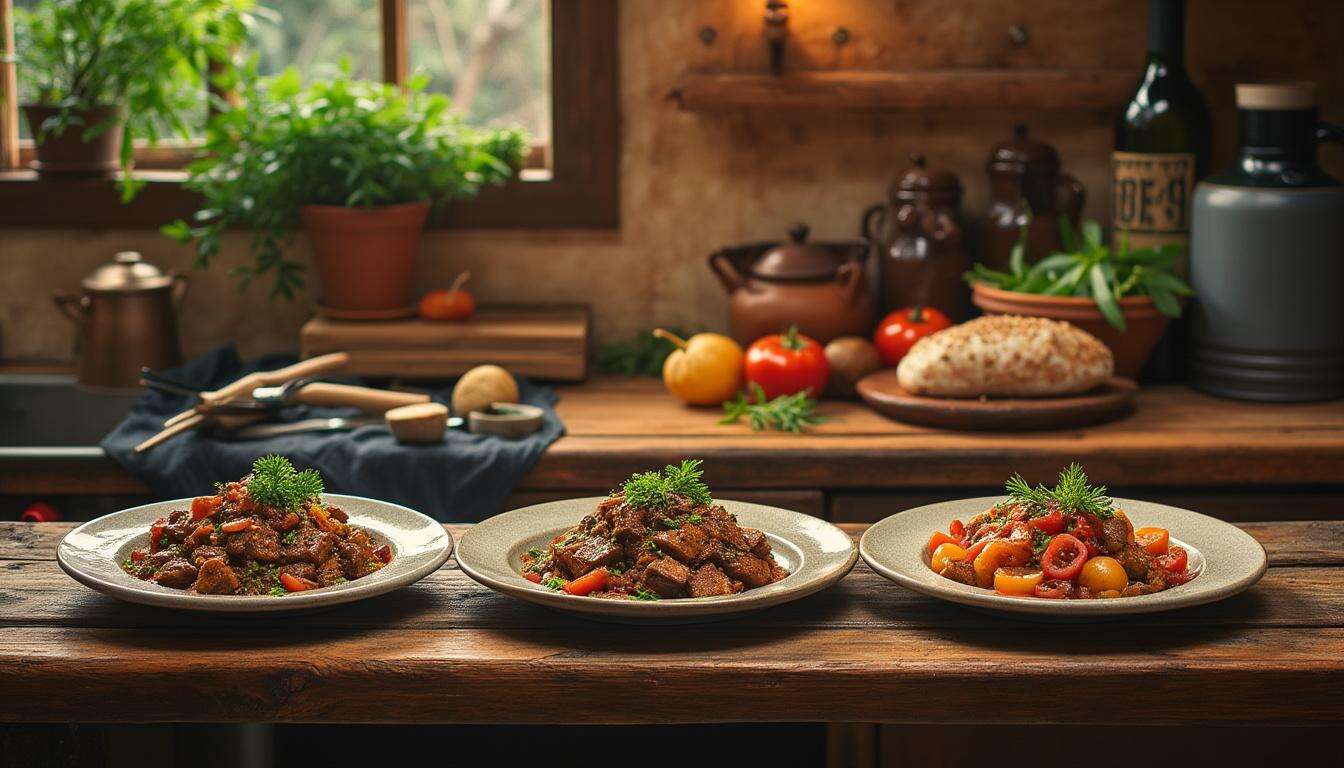

The concept of leftovers often carries a connotation of being a second-rate meal, a mere shadow of the previous night’s dinner. Yet, for a certain class of dishes, a night in the refrigerator is not a sentence to mediocrity but a ticket to a more profound flavor experience. This phenomenon is not a matter of opinion or nostalgia; it is rooted in the chemistry of cooking. As certain prepared foods rest, their ingredients continue to interact, flavors meld, and textures evolve, resulting in a dish that is often more complex and satisfying than when it was first served.
The secret of reheated dishes
The science of flavor melding
When a complex dish like a stew or a casserole is cooked, a multitude of chemical reactions are initiated. However, these reactions do not simply stop once the heat is turned off. During the cooling and resting period, flavor compounds from various ingredients, such as herbs, spices, and aromatics like garlic and onion, have time to migrate and permeate the entire dish. This process, known as flavor melding, allows individual tastes to integrate, creating a more cohesive and rounded flavor profile. The sharp notes of certain spices may soften, while the deeper, savory undertones become more pronounced. Essentially, the ingredients get to know each other better, resulting in a more harmonious final product.
Chemical transformations at play
Beyond the simple distribution of flavor, tangible chemical changes occur. Starches, found in ingredients like potatoes and pasta, continue to absorb the surrounding liquids and flavors, becoming more saturated with taste. Proteins in meat undergo a process where their coiled structures relax further upon cooling and gentle reheating, which can result in a more tender texture. The collagen in tougher cuts of meat, which breaks down into gelatin during initial cooking, solidifies upon cooling. When reheated, this gelatin melts again, giving the sauce a richer, more luxurious mouthfeel. These transformations are key to why some dishes don’t just taste different but often have a superior texture the next day.
| Dish Component | Day 1 Characteristic | Day 2 Characteristic (After Resting) |
|---|---|---|
| Spice Blend (e.g., in chili) | Sharp, distinct individual notes | Mellow, integrated, deeper complexity |
| Sauce (e.g., in lasagna) | More liquid, flavors are separate | Thicker, fully infused into other ingredients |
| Meat Texture (e.g., in a stew) | Tender | Even more tender, saturated with flavor |
| Starch (e.g., pasta or potatoes) | Firm, surface-level flavor | Softer, fully absorbed surrounding flavors |
Understanding this science allows for a more intentional approach to cooking, where making extra is not just about convenience but about culinary strategy. The next step is to identify which specific recipes are the best candidates for this delicious transformation.
Discover recipes that improve over time
Identifying the best candidates for leftovers
Not all dishes are created equal when it comes to reheating. The meals that benefit most from an overnight rest typically share a few common characteristics. They are often liquid-based or have a significant sauce component, which acts as a medium for flavor transfer. These include a wide range of comfort foods that are staples in many kitchens. The best candidates for next-day enjoyment are almost always dishes that are cooked “low and slow,” as this initial cooking process has already started the deep flavor development that resting will amplify. Consider these categories:
- Stews and braises: Dishes like beef bourguignon or pot roast are prime examples where meat and vegetables soak in a rich broth.
- Soups: Especially hearty soups with beans, lentils, or root vegetables that absorb the liquid and seasonings.
- Casseroles: Layered dishes, particularly those with pasta and sauce, allow for exceptional flavor melding.
- Curries: The complex spice blends in curries become much more cohesive and balanced after a day.
Ingredients that love to linger
The improvement in flavor is also heavily dependent on the ingredients used. Certain aromatics and seasonings are known for their ability to deepen and develop over time. While fresh, delicate herbs might fade, robust and pungent ingredients truly shine after resting. Garlic and onions, for instance, lose their initial sharp bite and contribute a sweeter, more foundational savoriness to the dish. Spices like cumin, coriander, and chili powder lose their raw edge and integrate seamlessly into the sauce. This is why a pot of chili or a flavorful curry often packs a more significant and balanced punch on the second day. The key is to use ingredients that have complex flavor compounds capable of evolving.
With a clear understanding of what makes a great leftover dish, we can explore the tangible advantages of incorporating this style of cooking into a regular routine.
The benefits of leftovers for a tasty dinner
Time management and meal planning
The most immediate benefit of planning for leftovers is the gift of time. Cooking a large batch of a meal that improves overnight, a practice often called batch cooking, means a delicious, high-quality dinner is ready with minimal effort on a busy weeknight. Instead of starting from scratch, a simple reheat is all that is required. This strategy transforms meal preparation from a daily chore into a more manageable, periodic task. It allows for better planning, ensuring that a wholesome meal is always available, which can drastically reduce the temptation to opt for less healthy, last-minute takeout options.
Economic and environmental advantages
Embracing leftovers is also a sound financial and environmental decision. Cooking in larger quantities is often more cost-effective, as buying ingredients in bulk can be cheaper than purchasing smaller amounts for single meals. More importantly, it is one of the most effective ways to combat food waste at the household level. By planning to eat leftovers, you ensure that all the food you purchase and prepare is consumed. This not only saves money but also reduces the environmental impact associated with food production and waste disposal. The benefits are clear and compelling:
- Saves time: Cook once, eat twice (or more).
- Reduces stress: Eliminates the daily “what’s for dinner ?” dilemma.
- Saves money: Bulk buying and less reliance on expensive convenience foods.
- Minimizes food waste: Ensures that prepared food is fully utilized.
Now, let’s delve into a quintessential example of a dish that is famously better the next day: the classic lasagna.
The famous lasagna: a classic revisited
Why lasagna excels the next day
Lasagna is perhaps the poster child for dishes that improve with age. When first assembled and baked, it is a glorious combination of flavors and textures, but it can be structurally delicate. After a night of refrigeration, a remarkable transformation occurs. The layers of lasagna noodles have ample time to fully absorb the moisture and flavor from the tomato-based meat sauce and the creamy ricotta filling. This process not only makes the pasta more flavorful but also helps the entire casserole to set and firm up. The result is a dish that can be cut into clean, perfect squares, with each layer distinct yet harmoniously fused with its neighbors. The flavors of garlic, herbs, meat, and cheese meld into a singular, deeply savory experience that is far more integrated than on day one.
Preparation and storage for optimal flavor
To maximize the next-day potential of your lasagna, a few key steps are crucial. Use high-quality main ingredients: lasagna noodles, ground meat, a robust tomato sauce, mozzarella, and ricotta cheese. After baking, it is essential to let the lasagna cool down significantly on the counter before covering and transferring it to the refrigerator. This gradual cooling process is vital for allowing it to set properly. When reheating, it is best to do so gently in an oven covered with foil to prevent it from drying out, removing the foil for the last few minutes to re-crisp the cheese on top. Stored properly in an airtight container, lasagna can be enjoyed for up to four days, with the flavor arguably peaking on day two or three.
From the layered complexity of Italian-American comfort food, we move to a dish whose power lies in the slow melding of bold spices.
Chili con carne: heat up the atmosphere
The magic of melding spices
Chili con carne is a dish built on a foundation of bold, earthy spices. When the chili is first cooked, the flavors of chili powder, cumin, oregano, and paprika are vibrant but can taste distinct and even a bit sharp. An overnight rest in the refrigerator allows these powerful flavors to mellow and merge. The initial, sometimes aggressive, heat from the chilies subsides slightly, making way for the more nuanced, smoky, and sweet undertones to emerge. The acidity of the tomatoes balances out, and the ground meat and beans become completely saturated with the complex, savory liquid. The result is a chili that is richer, deeper, and more profoundly flavorful than it was straight out of the pot. It is a perfect example of how time can be the most important ingredient.
Serving suggestions for round two
The versatility of leftover chili is another of its great strengths. While delicious on its own, it can be repurposed in numerous creative ways, preventing flavor fatigue. A bowl of reheated chili is a blank canvas. Consider serving it over a baked potato, on top of hot dogs for a classic chili dog, or as the base for a hearty plate of nachos, complete with melted cheese, jalapeños, and sour cream. You can even use it as a filling for tacos or burritos. This adaptability makes cooking a large pot of chili an even smarter strategy, providing the foundation for several different and exciting meals throughout the week.
Finally, we turn our attention to a dish where using a leftover component is not just an option, but the secret to success itself.
Vegetable fried rice: a dish to rediscover
The crucial role of day-old rice
Unlike stews or casseroles that improve as a whole, vegetable fried rice is a dish whose success hinges on using a key ingredient that is, by definition, a leftover: day-old, cold rice. Anyone who has attempted to make fried rice with freshly cooked, warm rice knows the disappointing result: a sticky, mushy clump. This is because fresh rice has too much moisture. When chilled overnight, the rice grains firm up and the surface moisture evaporates. This allows the individual grains to separate easily in a hot wok or skillet, ensuring they can toast and fry rather than steam. This texture is the absolute foundation of excellent fried rice, providing the perfect canvas for the other ingredients.
Building flavor layers
With the texture of the rice secured, the focus shifts to flavor. Using leftover rice allows you to build layers of taste that are distinct yet cohesive. The process begins by stir-frying aromatics like garlic and ginger, followed by crisp vegetables. The cold rice is then added and broken up, allowing it to toast in the hot oil and absorb the flavors from the pan. Finally, a sauce, typically a combination of soy sauce and sesame oil, is added, coating each grain. Because the rice is dry, it absorbs the sauce perfectly without becoming waterlogged. The final dish is a testament to how a simple leftover can be transformed into a meal that is far superior to one made with fresh components.
These examples demonstrate that leftovers are not an afterthought but a deliberate culinary technique. By understanding the science of flavor development and choosing the right recipes, home cooks can unlock a new level of taste and convenience. The strategy of cooking more than is needed for one meal transforms a single effort in the kitchen into multiple opportunities for delicious, deeply satisfying dinners.

- This Forgotten Veggie Works Equally Well in Sweet or Savory Dishes - 11 November 2025
- This Tropical Fruit Reduces Blood Pressure and Stress Naturally - 11 November 2025
- This Simple Step Prevents Cakes From Collapsing in the Oven - 11 November 2025


