
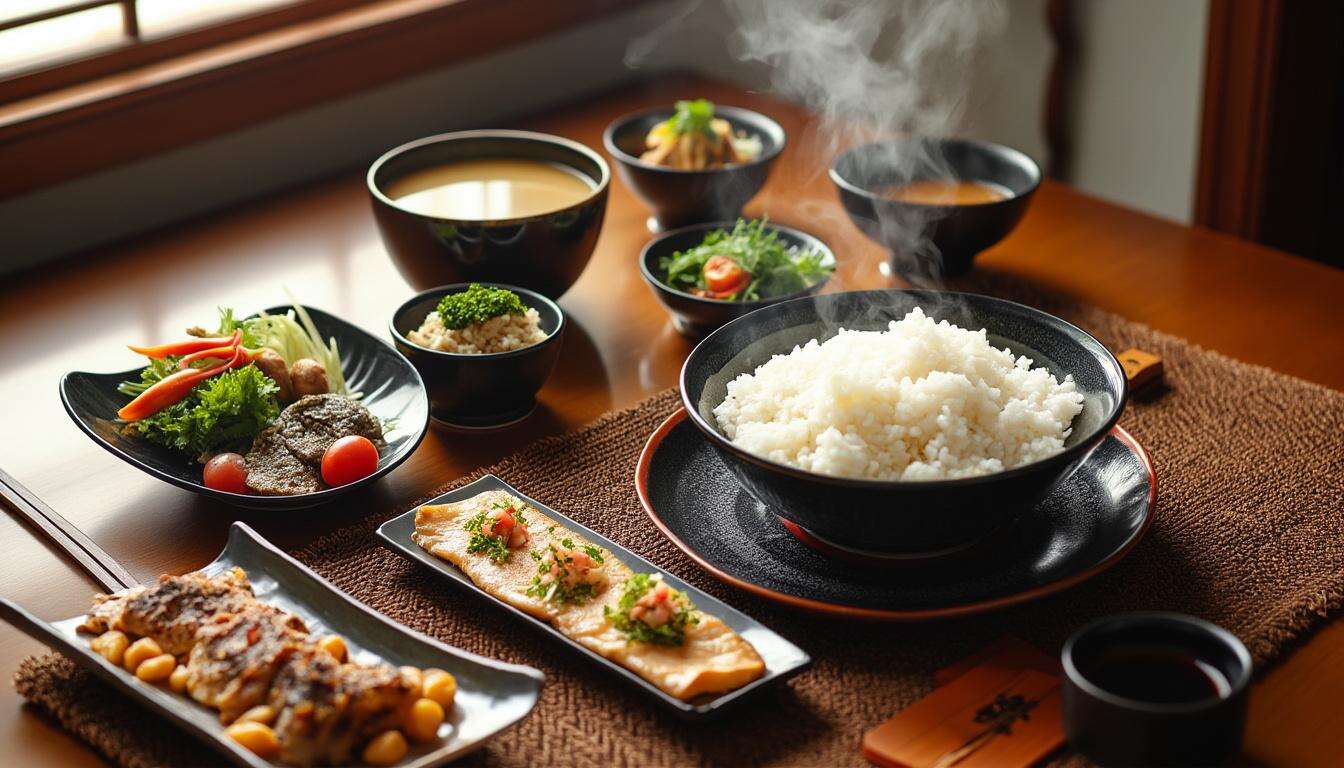

The image of a slim Japanese person enjoying a bowl of white rice seems to defy much of the dietary advice prevalent in the West, where carbohydrates, particularly white rice, are often demonized. Yet, Japan maintains one of the lowest obesity rates among developed nations, despite rice being a staple consumed at nearly every meal. This paradox is not due to a genetic miracle but is rooted in a holistic approach to food, activity, and life itself. The secret lies not in the rice itself, but in the entire cultural framework surrounding how it is consumed.
Moderate rice portion
The art of the small bowl
One of the most immediate visual differences between a Japanese meal and a Western one is the scale. In Japan, rice is traditionally served in a small bowl called a chawan, which typically holds about 150 grams (around 5.3 ounces) of cooked rice. This practice of portion control is deeply ingrained in the culture and stands in stark contrast to the large dinner plates common in the United States, where a serving of carbohydrates can easily be two or three times that amount. This moderation is not about restriction but about balance. The meal is designed to be satisfying without leading to overconsumption. It’s a simple yet powerful tool for managing caloric intake naturally, without the need for obsessive calorie counting.
A balanced caloric perspective
While white rice is a refined carbohydrate, its caloric impact is manageable when portions are controlled. A standard Japanese serving provides a reasonable amount of energy to fuel daily activities without contributing to a significant caloric surplus. The emphasis is on achieving satiety through a complete meal, where rice plays a central, but not overwhelming, role. The rest of the plate is filled with nutrient-dense, low-calorie items that provide a wide range of vitamins and minerals. This approach ensures that the body receives what it needs without being overloaded with empty calories.
| Food Item | Typical Serving Size (Cooked) | Approximate Calories |
|---|---|---|
| Japanese Rice Bowl | 150g (5.3 oz) | 204 kcal |
| American Pasta Serving | 250g (8.8 oz) | 390 kcal |
| Large Plain Bagel | 130g (4.5 oz) | 340 kcal |
| Serving of French Fries | 150g (5.3 oz) | 475 kcal |
This disciplined approach to portioning is fundamental to the Japanese diet. It allows for the enjoyment of staple foods like rice while maintaining a healthy weight, a concept that is often lost in cultures where “more is more” has become the norm. The focus is on quality and balance over sheer quantity.
Fat-burning soups on the menu
A prelude to the meal
Nearly every traditional Japanese meal, including breakfast, begins with a warm bowl of soup, most commonly miso soup. This is not just a culinary tradition; it is a strategic element of healthy eating. Starting a meal with a low-calorie, water-based soup has been shown to increase feelings of fullness, or satiety. This simple act can lead to a significant reduction in the total number of calories consumed during the rest of the meal. The warm liquid helps to slow down the eating process, giving the brain more time to register that the stomach is full, which helps prevent overeating. The soup serves as a gentle, hydrating entry into the main course.
More than just broth
Japanese soups are far from being just flavored water. They are typically packed with nutrient-dense ingredients that offer substantial health benefits. A standard bowl of miso soup, for instance, contains:
- Miso paste: A fermented soybean product rich in probiotics, which are beneficial for gut health and digestion.
- Tofu: A good source of plant-based protein, helping to build and repair tissues.
- Wakame seaweed: Rich in essential minerals like iodine, which is crucial for thyroid function, as well as calcium and magnesium.
- Dashi: A traditional Japanese broth that forms the base of the soup, often made from kombu (kelp) and bonito flakes, providing a unique umami flavor without adding significant calories.
These ingredients work synergistically to provide a host of vitamins, minerals, and beneficial compounds, making the soup a powerful nutritional component of the meal, not just an appetizer.
No snacking, no junk food
The structure of three meals
In Japan, the cultural norm is to consume three well-defined, balanced meals per day: breakfast, lunch, and dinner. The concept of grazing or frequent snacking between these meals is largely absent from the traditional dietary pattern. This structured approach to eating helps regulate appetite and maintain stable blood sugar levels throughout the day. It discourages the mindless consumption of high-calorie, low-nutrient foods that often characterizes snacking culture in other parts of the world. By sticking to set mealtimes, the body’s digestive system is given adequate time to process food, which can contribute to better metabolic health.
A different class of snack
When Japanese people do have a snack, or oyatsu, it is often a far cry from the chips, cookies, and candy bars common in the West. Traditional Japanese snacks are typically more wholesome and consumed in smaller portions. Options might include rice crackers (senbei), a piece of fruit, sweet potatoes, or a small portion of red bean paste sweets (wagashi). These choices are generally lower in processed sugars, unhealthy fats, and artificial ingredients. While Japan is home to a vast array of modern confections, the cultural preference often leans toward these more traditional, less indulgent options for everyday consumption. The junk food market exists, but it does not dominate the daily dietary landscape in the same way it does elsewhere.
The importance of daily movement
An active way of life
Physical activity in Japan is not typically confined to scheduled gym sessions. Instead, it is seamlessly woven into the fabric of daily life. This concept, often referred to as incidental exercise, is a cornerstone of public health. A significant portion of the population relies on public transportation, which inherently involves walking or cycling to and from stations. Cities are designed to be pedestrian-friendly, with safe and accessible sidewalks that encourage people to walk for short trips. This constant, low-intensity movement throughout the day contributes significantly to overall calorie expenditure and cardiovascular health. It’s a lifestyle that keeps the body in motion without the perceived burden of a formal workout regimen.
Cultural practices promoting activity
Beyond commuting, several cultural practices encourage physical activity. Many companies in Japan start the workday with group calisthenics known as rajio taiso (radio exercises), a tradition that promotes flexibility and wakes up the body. Even traditional home life can involve more movement; sitting on tatami mats on the floor in the seiza position engages core and leg muscles more than sitting in a chair. This consistent engagement of the body, even in subtle ways, adds up over time, fostering a baseline of physical fitness that supports a healthy metabolism and helps to offset the caloric intake from meals.
Respect for food and portions
The wisdom of eating mindfully
A profound cultural principle that guides Japanese eating habits is hara hachi bun me, a Confucian teaching that advises people to eat only until they are 80 percent full. This practice of mindful eating encourages individuals to pay close attention to their body’s hunger and satiety signals, preventing the common habit of eating until one is uncomfortably stuffed. It requires slowing down, savoring each bite, and stopping when satisfied rather than full. This conscious approach to consumption is a powerful antidote to the mindless overeating that can be triggered by large portions and fast-paced lifestyles. It fosters a healthier relationship with food, viewing it as nourishment rather than just a means to fill a void.
The ritual of `Itadakimasu`
Before every meal, it is customary for Japanese people to say itadakimasu, an expression of gratitude for the food they are about to receive. This simple phrase acknowledges the effort of everyone involved in bringing the meal to the table, from the farmers and fishermen to the person who prepared it. This ritual instills a deep sense of respect for food, discouraging waste and promoting a more thoughtful consumption. When food is valued and appreciated, it is less likely to be consumed carelessly or in excess. This cultural practice elevates the act of eating from a purely physical necessity to a more meaningful and mindful experience.
Why rice isn’t the enemy
The context of the entire meal
The key to understanding the role of rice in the Japanese diet is to recognize that it is never eaten in isolation. A traditional Japanese meal, known as ichiju-sansai (one soup, three sides), is a model of nutritional balance. The rice is served alongside:
- A main protein source, often grilled fish rich in omega-3 fatty acids.
- Two vegetable-based side dishes, which could include steamed greens, pickles, or seaweed salad, providing essential fiber, vitamins, and minerals.
- A bowl of soup, which aids in hydration and satiety.
This combination of foods creates a synergistic effect. The fiber from the vegetables and the protein from the fish and tofu help to slow down the digestion of the carbohydrates in the rice, leading to a more gradual release of sugar into the bloodstream and preventing the sharp blood sugar spikes associated with eating refined carbs alone.
The quality of the grain
The type of rice typically consumed in Japan is a short-grain white rice that becomes sticky when cooked. While it is a refined carbohydrate, its preparation and consumption as part of a balanced meal mitigate many of the potential negative effects. Furthermore, when cooked rice is allowed to cool, some of its starches convert into resistant starch. This type of starch is not fully digested in the small intestine and instead travels to the large intestine, where it acts as a prebiotic, feeding beneficial gut bacteria. A healthy gut microbiome is increasingly linked to better weight management and overall health. Therefore, rice in dishes like sushi or onigiri (rice balls) may offer additional digestive benefits.
The Japanese diet elegantly demonstrates that no single food is inherently “good” or “bad.” It is the overall dietary pattern, portion sizes, and lifestyle that truly matter. Rice, when consumed in moderation as part of a nutrient-rich meal plan that includes plenty of vegetables, lean protein, and healthy fats, can be a perfectly healthy staple. The Japanese model is not about eliminating food groups but about embracing balance, mindfulness, and a deep cultural respect for the food that nourishes the body. It is a holistic system where daily activity and a thoughtful approach to eating work in harmony to foster lifelong health and well-being.

- This Forgotten Veggie Works Equally Well in Sweet or Savory Dishes - 11 November 2025
- This Tropical Fruit Reduces Blood Pressure and Stress Naturally - 11 November 2025
- This Simple Step Prevents Cakes From Collapsing in the Oven - 11 November 2025


