
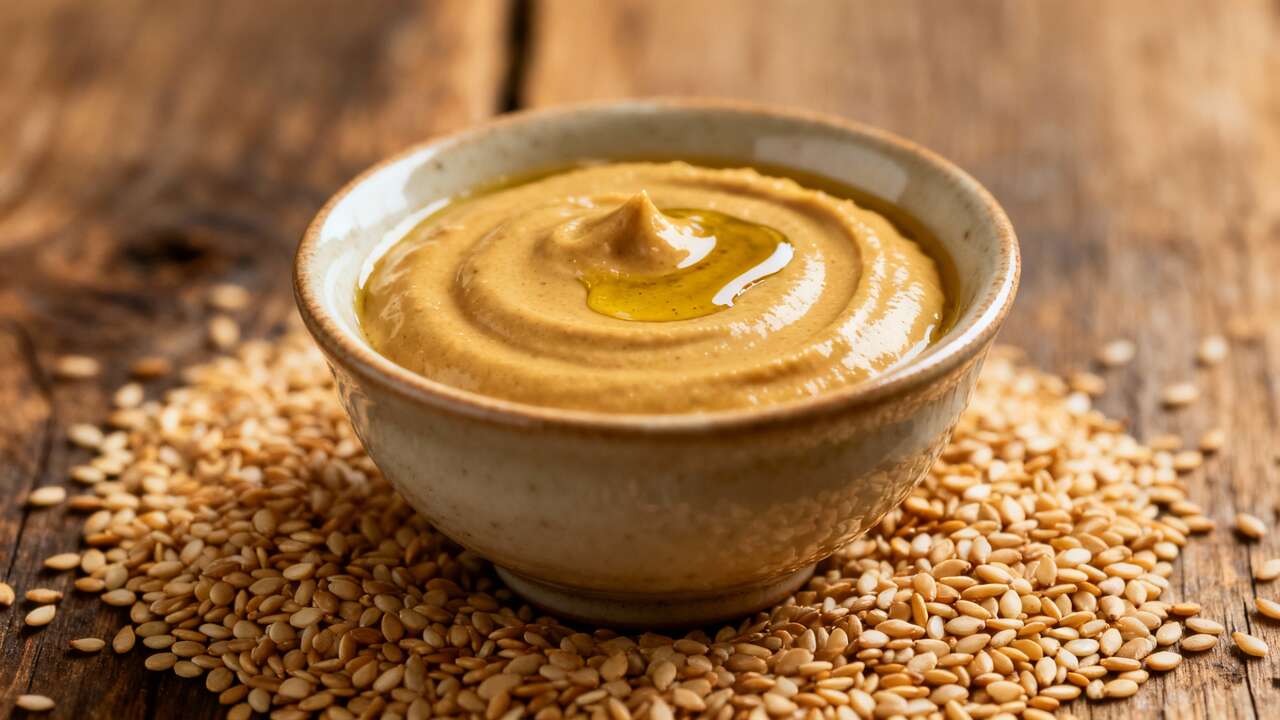

In the vast and aromatic landscape of global cuisine, few regions offer a sensory experience as rich and layered as the Middle East. Its dishes are a testament to centuries of trade, tradition, and an intimate understanding of how to transform simple ingredients into complex, memorable flavors. While many components contribute to this culinary tapestry, one versatile condiment often works behind the scenes, providing a creamy texture and nutty depth that is both unmistakable and essential. This humble paste, derived from a single key ingredient, serves as the foundation for countless sauces, dips, and even desserts, acting as the quiet secret to many of the region’s most flavorful creations.
Tahini Sauce: a Staple in Middle Eastern Cuisine
What Exactly Is Tahini ?
At its core, tahini is a simple yet profound paste made from ground sesame seeds. The seeds are hulled, toasted, and then ground until their natural oils are released, creating a smooth, rich, and pourable consistency similar to that of a natural nut butter. Its flavor profile is distinctly nutty, slightly bitter, and deeply earthy, providing a robust base that can be easily customized. While it is a finished product on its own, it is most frequently used as a component in other preparations, most famously as a key ingredient in hummus and baba ghanoush.
The Historical Roots of Tahini
The use of sesame seeds in Middle Eastern cooking is anything but new. Historical records suggest that sesame was cultivated in the region thousands of years ago, with references to sesame oil and paste found in ancient texts. Tahini, or a similar sesame paste, has been a dietary staple for centuries, valued not only for its flavor but also for its high oil content, which made it a dense source of energy. Its endurance through time speaks to its fundamental role in the culinary identity of the Levant and beyond, cementing its place as an irreplaceable cornerstone of the pantry.
Varieties and Production
Not all tahini is created equal. The primary distinction lies in the sesame seeds used. Most commercially available tahini is made from hulled seeds, resulting in a smoother, lighter-colored paste with a milder flavor. Tahini made from unhulled seeds, often labeled as whole-seed tahini, is darker, more textured, and has a more intense, slightly more bitter taste due to the presence of the seed’s outer bran. The production process also matters:
- Stone-ground tahini: This traditional method is said to preserve the flavor and nutritional integrity of the sesame seeds better than modern steel grinders.
- Lightly toasted vs. roasted: The degree to which the seeds are toasted before grinding significantly impacts the final flavor. A light toasting yields a delicate, raw nuttiness, while a deeper roast produces a more pronounced, smoky flavor.
This foundational paste rarely stands alone; it is often enhanced by an array of vibrant spices and herbs that define the region’s cooking.
Middle Eastern Spices: secrets of Flavor
Zaatar: a Legendary Herb Blend
Among the most iconic seasonings is zaatar, a versatile and aromatic blend that captures the essence of the Middle Eastern landscape. Its composition can vary by region and even by family, but it typically includes a core trio of ingredients: dried thyme, toasted sesame seeds, and tangy sumac, all bound together with a touch of salt. This mixture imparts a savory, herby, and slightly zesty flavor. It is commonly mixed with olive oil and spread on flatbread before baking or used as a dry rub for meats and a finishing sprinkle on vegetables and dips.
Sumac and Cumin: Pillars of the Spice Rack
Beyond complex blends, individual spices provide the building blocks of flavor. Sumac, a coarse, deep-red powder made from the dried berries of the sumac bush, offers a bright, lemony tang without the liquid of citrus juice. It is essential in salads like fattoush and is often dusted over grilled kebabs and rice dishes. Cumin, with its warm and earthy notes, provides a savory depth to stews, lentil dishes, and marinades. Its distinctive aroma is a hallmark of many regional specialties.
The Pungent Power of Toum
While not a dry spice, toum is another fundamental flavor agent, particularly in Lebanese cuisine. This potent condiment is an emulsified garlic sauce with a texture similar to a thick mayonnaise, yet it contains no eggs. Its ingredients are deceptively simple: fresh garlic, oil, lemon juice, and salt. The magic lies in the process of slowly emulsifying the oil into the garlic purée, creating a fluffy, white, and intensely pungent sauce that is a classic accompaniment to grilled chicken, shawarma, and roasted potatoes.
Understanding these individual flavor components is the first step; learning how to weave them into everyday cooking is where the true culinary adventure begins.
How to Use Tahini to Enhance Your Dishes
Beyond Hummus: Versatile Sauces and Dressings
The most common application of tahini is in a simple sauce, often served with falafel, grilled meats, or roasted vegetables. To create a basic tahini sauce, you simply whisk tahini with lemon juice, minced garlic, and a pinch of salt, then thin it with cold water until it reaches a creamy, pourable consistency. This base can be adapted with fresh herbs like parsley or cilantro, or spiced with a dash of cumin or cayenne pepper. It makes an excellent dressing for green salads or grain bowls, offering a creamy alternative to dairy-based options.
In Savory Cooking
Tahini’s utility extends far beyond sauces. Its rich, fatty content makes it a wonderful addition to marinades, helping to tenderize meat and create a delicious crust when grilled or roasted. It can also be used to add body and richness to soups and stews. Some creative savory uses include:
- Whisking it into yogurt or labneh for a tangy, nutty dip.
- Using it as a binder in vegetarian burgers or meatballs.
- Spreading a thin layer on fish before baking to keep it moist.
- Mixing it into the filling for stuffed vegetables like eggplant or zucchini.
A Surprising Twist in Sweet Dishes
Perhaps its most surprising application is in desserts. In the Middle East, tahini is the star of halva, a dense, sweet confection. More recently, its nutty complexity has been embraced by bakers worldwide. It can be swirled into brownie batter, used in place of peanut butter in cookies, or blended into milkshakes and smoothies. Its slightly bitter edge provides a sophisticated balance to sweet ingredients, creating desserts with remarkable depth of flavor.
The versatility of tahini and its companion spices is matched by their impressive nutritional profiles, making them not just a flavorful but also a healthful addition to any diet.
The Health Benefits of Tahini and Spices
The Nutritional Profile of Tahini
Made entirely from sesame seeds, tahini is a powerhouse of nutrients. It is an excellent source of plant-based protein and healthy unsaturated fats, particularly monounsaturated fats. Furthermore, it is packed with essential vitamins and minerals that contribute to overall well-being. A small serving offers a significant amount of key nutrients.
| Nutrient | Amount | Benefit |
|---|---|---|
| Calories | 178 | Energy source |
| Protein | 5 g | Muscle repair and growth |
| Fat | 16 g | Rich in healthy fats |
| Calcium | 12% of DV | Bone health |
| Iron | 14% of DV | Oxygen transport |
It is also a good source of B vitamins, magnesium, and phosphorus, which are vital for energy metabolism and cellular function.
Antioxidant Properties of Middle Eastern Spices
Many of the spices used alongside tahini are celebrated for their health benefits. Sumac, for instance, is loaded with antioxidants, compounds that help fight cellular damage caused by free radicals. Thyme, the primary herb in zaatar, contains thymol, which has antiseptic and anti-inflammatory properties. Cumin has long been used in traditional medicine to aid digestion and is a good source of iron.
Garlic’s Contribution in Toum
The star of toum, garlic, is renowned for its medicinal qualities. It contains allicin, a compound linked to a range of health benefits, including supporting cardiovascular health and boosting the immune system. While toum is high in oil, the potent dose of raw garlic it delivers makes it a flavorful way to incorporate this healthy allium into your meals.
These ingredients are more than just food; they are woven into the very fabric of a culinary heritage that values community, flavor, and tradition.
Culinary Traditions of the Middle East: a Legacy of Taste
The Importance of Shared Meals
In Middle Eastern culture, food is intrinsically linked to hospitality and community. Meals are rarely solitary affairs; instead, they are communal events where family and friends gather around a table laden with a variety of small dishes known as mezze. Dips like hummus and baba ghanoush, salads drizzled with tahini dressing, and flatbreads for dipping are central to this shared dining experience. These dishes are designed to be passed around, encouraging interaction and conversation, and reinforcing social bonds.
From Street Food to Home Kitchens
The flavors of tahini and regional spices permeate every level of the cuisine. On the street, vendors serve up iconic dishes like shawarma and falafel, both of which are almost inseparable from a generous drizzle of tahini sauce. In home kitchens, these same ingredients are used in countless stews, roasts, and vegetable preparations. This consistency across different dining contexts highlights the fundamental importance of these flavors to the region’s palate.
A Philosophy of Freshness and Balance
At its heart, Middle Eastern cuisine is guided by a philosophy of balance. Bold flavors are tempered with fresh ones. The richness of tahini is cut by the acidity of lemon juice. The warmth of cumin is brightened by fresh parsley and cilantro. This approach relies heavily on using high-quality, fresh ingredients to achieve a harmonious blend of tastes and textures, creating dishes that are both satisfying and vibrant.
To bring this authentic and balanced taste into your own cooking, the first and most critical step is sourcing the best possible ingredients.
Preserving and Choosing the Best Ingredients for Your Recipes
Selecting a High-Quality Tahini
When purchasing tahini, look for a product with a short ingredient list: ideally, it should contain nothing more than 100% sesame seeds, with salt being an occasional and acceptable addition. A good tahini should be smooth, pourable, and have a fresh, nutty aroma, not a burnt or stale one. Oil separation is a natural occurrence in high-quality tahini; simply stir it well to recombine. For the most authentic flavor, seek out brands imported from the Middle East, particularly from Lebanon or Palestine, which are renowned for their tahini production.
Storing Spices for Maximum Freshness
Spices like zaatar, sumac, and cumin lose their potency when exposed to air, light, and heat. To preserve their vibrant flavor and aroma, store them in airtight containers in a cool, dark place like a pantry or cupboard. Whole spices will always retain their freshness longer than ground ones, so grinding spices like cumin seeds just before use can make a noticeable difference in the final dish. Properly stored, most ground spices will remain flavorful for up to a year.
Making Your Own Condiments
While high-quality prepared condiments are readily available, making some from scratch can elevate your dishes. Toum, in particular, is best made fresh, as its potent garlic flavor mellows over time. Preparing it at home allows you to control the intensity of the garlic and the texture of the sauce. Similarly, mixing your own zaatar blend allows you to customize the ratios of thyme, sesame, and sumac to your personal preference, ensuring a truly unique and fresh seasoning for your culinary creations.
Incorporating tahini and its companion spices into your repertoire is a simple yet transformative step. These foundational elements of Middle Eastern cuisine provide a direct path to creating dishes with extraordinary depth and character. They offer a palette of nutty, tangy, and earthy notes that can elevate everything from a simple vegetable to a celebratory roast, all while connecting your kitchen to a rich and enduring culinary legacy.

- This Forgotten Veggie Works Equally Well in Sweet or Savory Dishes - 11 November 2025
- This Tropical Fruit Reduces Blood Pressure and Stress Naturally - 11 November 2025
- This Simple Step Prevents Cakes From Collapsing in the Oven - 11 November 2025


