
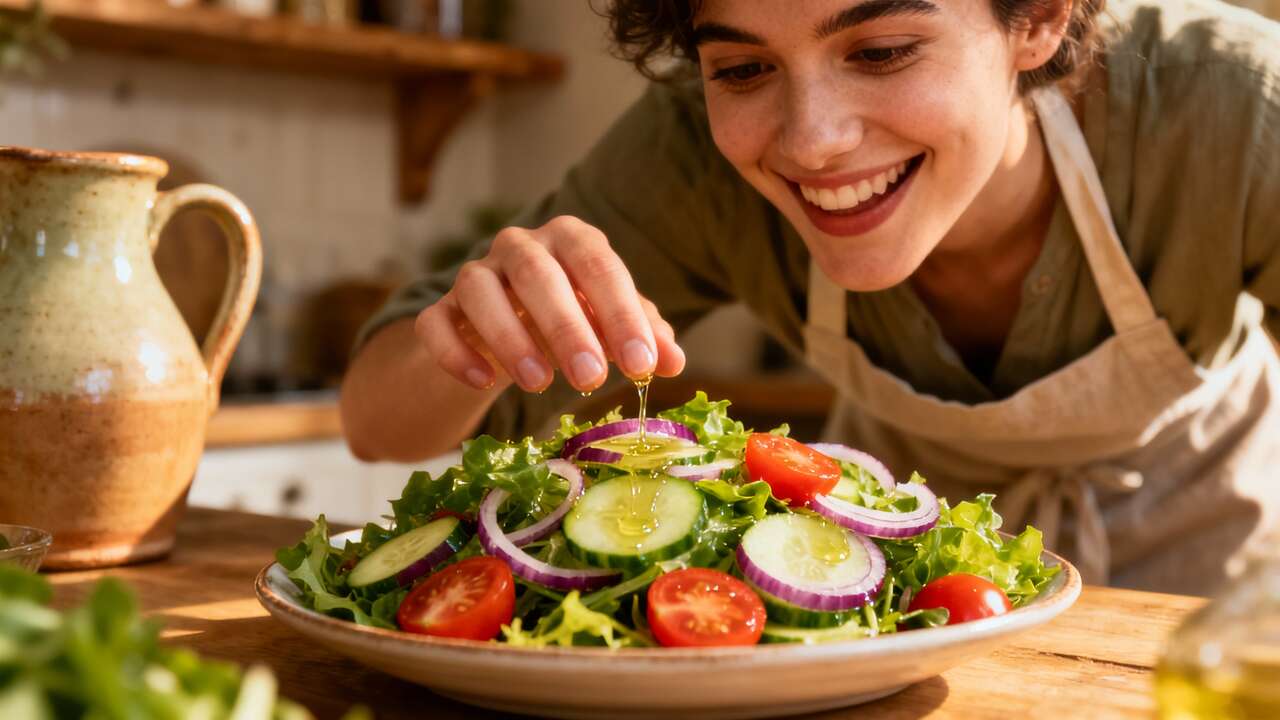

In the pursuit of healthier eating habits, the salad has long been a cornerstone of a balanced diet. Yet, the very dressing meant to enhance its flavor often undermines its nutritional value, laden with hidden fats and calories. A growing movement towards cleaner eating has illuminated a powerful alternative: the oil-free dressing. This simple swap is more than just a diet trend; it represents a fundamental shift in how we approach flavor, offering a way to create vibrant, delicious salads that truly support wellness and weight management goals without compromise.
The benefits of an oil-free dressing
Making the switch to an oil-free dressing is one of the most impactful yet simple changes one can make for their health. The advantages extend far beyond just calorie counting, touching upon cardiovascular health, nutrient absorption, and the overall quality of ingredients consumed. It is a conscious choice to nourish the body more directly and efficiently.
Significant reduction in calories and fat
The most immediate and obvious benefit is the drastic cut in caloric density. Traditional dressings rely on oil as their primary ingredient, which is one of the most calorie-dense foods available. A single tablespoon of olive oil contains approximately 120 calories, almost all of which are from fat. By eliminating oil, the caloric load of a dressing plummets, allowing for more generous portions without derailing a diet. This makes oil-free dressings an invaluable tool for weight management. Consider the stark difference in a typical serving.
| Dressing Type | Serving Size (2 tbsp) | Approximate Calories | Approximate Fat (g) |
|---|---|---|---|
| Standard Oil-Based Vinaigrette | 30ml | 150-180 | 16-20g |
| Creamy Ranch (Oil-Based) | 30ml | 130-150 | 14-16g |
| Typical Oil-Free Dressing | 30ml | 20-40 | 0-1g |
Improved cardiovascular health
While some oils are touted for their health benefits, the high concentration of fats, particularly in processed store-bought dressings, can contribute to negative health outcomes. Diets high in processed fats are linked to increased levels of LDL cholesterol and inflammation. By opting for dressings based on whole-food ingredients like nuts, seeds, or even just vinegar and herbs, you are actively choosing a path that supports heart health. These dressings avoid processed oils and instead deliver nutrients in their natural state, contributing to a healthier circulatory system.
Enhanced flavor of whole foods
An often-overlooked benefit is that oil-free dressings allow the natural flavors of the salad ingredients to shine. Oil can coat the palate and dull the fresh, crisp taste of vegetables. An oil-free dressing, typically built on a base of acid and seasonings, acts as an enhancer rather than a masker. The bright tang of lemon juice or the complex notes of balsamic vinegar can elevate the taste of greens, tomatoes, and cucumbers in a way that a heavy, oily dressing simply cannot.
Understanding these benefits makes it clear why oil-free dressings are more than a fleeting trend. They are a practical and delicious foundation for healthier eating, which begins with selecting the right core components.
Essential ingredients for a light dressing
Crafting a delicious oil-free dressing is an exercise in balancing flavors and textures using wholesome ingredients. The magic lies not in what is removed, but in what is used instead. A successful light dressing is built upon three pillars: a vibrant acidic base, a creamy or emulsifying agent, and a symphony of flavor enhancers.
The acidic base: the foundation of flavor
Acidity is the soul of any good dressing. It provides the bright, tangy kick that cuts through the richness of other ingredients and awakens the taste buds. Instead of being diluted by oil, the acid becomes the star. There is a wide array of options to choose from, each offering a unique profile.
- Vinegars: Apple cider vinegar offers a mild, fruity tang, while balsamic vinegar provides a deep, sweet complexity. Red wine vinegar is robust and perfect for heartier salads, and rice vinegar is delicate and ideal for Asian-inspired dishes.
- Citrus juices: Freshly squeezed lemon juice is a classic for its clean, zesty flavor. Lime juice adds a distinctively bright and tropical note, and orange or grapefruit juice can introduce a subtle sweetness to balance the acidity.
The creamy emulsifier: creating body and texture
One of the primary roles of oil is to create a smooth, emulsified texture. Fortunately, several healthy, whole-food alternatives can achieve the same creamy consistency without the added fat. These ingredients provide body and help the dressing cling to the salad leaves.
- Aquafaba: This is the starchy liquid from a can of chickpeas. When whipped or blended, it becomes frothy and is an excellent emulsifier, creating a texture remarkably similar to traditional dressings with almost no calories.
- Tahini or nut butters: A small amount of tahini (sesame seed paste) or a smooth nut butter like cashew or almond butter can create a rich, creamy base. They do contain fat, but it is a whole-food fat accompanied by fiber and protein.
- Yogurt or silken tofu: For a creamy, ranch-style or Caesar-style dressing, plain unsweetened yogurt (dairy or plant-based) or blended silken tofu provides a fantastic, high-protein base.
The flavor enhancers: herbs, spices, and sweeteners
This is where creativity truly comes into play. Flavor enhancers are what transform a simple mix of acid and creaminess into a memorable dressing. The possibilities are nearly endless.
- Herbs: Fresh herbs like parsley, cilantro, dill, basil, or chives add immense freshness. Dried herbs such as oregano, thyme, or an Italian seasoning blend work wonderfully as well.
- Spices and aromatics: Garlic and onion, either fresh (minced) or powdered, are foundational. A pinch of mustard powder or a spoonful of Dijon mustard adds a pungent depth and also acts as an emulsifier. Paprika, cumin, or a dash of cayenne can add warmth and complexity.
- Natural sweeteners: To balance the acidity, a touch of sweetness is often necessary. A small amount of maple syrup, agave nectar, or a soaked date can provide this balance without resorting to refined sugar.
With these essential building blocks in your pantry, you are fully equipped to move from theory to practice and begin mixing your own signature homemade dressings.
How to make homemade oil-free dressing
The process of creating a homemade oil-free dressing is refreshingly simple and forgiving. Unlike complex sauces, most dressings can be whipped up in minutes with minimal equipment. The key is to understand the basic ratio and method, which can then be adapted to suit any flavor profile you desire.
The basic formula and ratio
A great starting point for any oil-free vinaigrette-style dressing is a simple ratio of acid to other liquids. A general guideline is to use two to three parts liquid base to one part acid. The “liquid base” can be water, aquafaba, or vegetable broth. For a creamier dressing, this ratio might shift to include a creamy element like tahini or yogurt.
For example, a fundamental recipe could be:
- 1/4 cup apple cider vinegar (the acid)
- 1/2 cup water or aquafaba (the liquid base)
- 1 tablespoon Dijon mustard (for flavor and emulsification)
- 1 clove garlic, minced (aromatic)
- 1 teaspoon dried herbs (flavor)
- Salt and pepper to taste
Step-by-step preparation method
There are two primary methods for mixing your dressing, depending on the ingredients and desired texture.
- The jar method: This is the quickest and easiest method, perfect for simple vinaigrettes. Simply add all your ingredients to a jar with a tight-fitting lid. Shake vigorously for about 30 seconds until all the ingredients are well combined and the mixture looks emulsified. This is ideal for dressings that do not contain solids that need to be broken down, like fresh nuts or dates.
- The blender method: For ultra-smooth and creamy dressings, especially those using ingredients like cashews, silken tofu, fresh herbs, or dates, a blender is essential. Combine all ingredients in a high-speed blender and blend until completely smooth. This method ensures a perfectly homogenous texture with no grittiness, creating a luxurious mouthfeel that rivals any store-bought brand.
Once you have mastered a basic recipe, the door is open to a world of endless flavor combinations and creative twists.
Creative variations of oil-free dressings
Once you are comfortable with the fundamental technique, you can explore an exciting range of flavor profiles. Moving beyond a basic vinaigrette allows you to tailor dressings to specific cuisines, seasons, or personal cravings. These creative variations prove that oil-free eating is anything but boring.
Creamy avocado lime dressing
This dressing is perfect for Mexican-inspired salads, grain bowls, or as a dip for fresh vegetables. It is rich, creamy, and packed with healthy fats from the avocado. The texture is so luxurious, it is hard to believe it contains no oil or dairy.
- Ingredients: 1 ripe avocado, juice of 2 limes, 1/4 cup water (or more, to thin), 1/4 cup fresh cilantro, 1 clove garlic, salt to taste.
- Method: Combine all ingredients in a blender and blend until completely smooth. Add more water, one tablespoon at a time, to reach your desired consistency.
Spicy peanut ginger dressing
Inspired by Thai and Vietnamese flavors, this dressing is a perfect balance of sweet, savory, spicy, and tangy. It is fantastic on noodle salads, slaw, or drizzled over steamed vegetables and tofu.
- Ingredients: 2 tablespoons natural peanut butter (or almond butter), 1 tablespoon rice vinegar, 1 tablespoon tamari or soy sauce, 1 teaspoon grated fresh ginger, 1 clove garlic (minced), 1 teaspoon maple syrup, a pinch of red pepper flakes, 2-3 tablespoons hot water to thin.
- Method: Whisk all ingredients together in a bowl until smooth. The hot water helps the peanut butter dissolve to create a pourable consistency.
Herby “ranch-style” dressing
This recipe captures the beloved flavor of classic ranch dressing using a whole-food, plant-based approach. It is cool, creamy, and bursting with fresh herb flavor, making it a hit with both kids and adults.
- Base Ingredients: 1/2 cup raw cashews (soaked for at least 2 hours and drained) or 1/2 block of silken tofu.
- Flavor Ingredients: 2 tablespoons lemon juice, 1 tablespoon apple cider vinegar, 1 teaspoon onion powder, 1/2 teaspoon garlic powder, 1/4 cup water.
- Fresh Herbs: 2 tablespoons fresh dill (chopped), 2 tablespoons fresh parsley (chopped), 1 tablespoon fresh chives (chopped).
- Method: Blend the base ingredients with the lemon juice, vinegar, powders, and water until perfectly smooth. Pour into a bowl and stir in the fresh herbs. Season with salt and pepper.
These variations are just a starting point. To ensure your creations are consistently delicious, a few simple tips can make all the difference.
Tips for successful light dressing
Even with the best ingredients and recipes, a few key techniques can elevate your oil-free dressings from good to great. Mastering the nuances of flavor balance, consistency, and storage will ensure you always have a perfect, healthy dressing on hand.
Achieving the right consistency
The ideal consistency of a dressing is a matter of personal preference and intended use. A thicker dressing is great as a dip or for hearty salads like kale, while a thinner dressing is better for delicate greens. Always start with less liquid than you think you need. You can easily thin a dressing by adding water, broth, or citrus juice one tablespoon at a time. If you accidentally make it too thin, you can thicken it by adding more of your creamy base, like a bit more tahini, a few more soaked cashews, or a pinch of xanthan gum for a quick fix.
Balancing flavors: the art of tasting
A well-balanced dressing should hit all the right notes: acidic, sweet, salty, and savory. The most important tool in your arsenal is your own palate. Taste your dressing at every stage of the process. Is it too tangy ? Add a touch of maple syrup or a soaked date. Is it flat ? It probably needs a pinch more salt or a squeeze of lemon juice to brighten the flavors. Does it lack depth ? A bit of Dijon mustard, a dash of tamari, or a sprinkle of onion powder can add that missing savory “umami” element.
Storage and shelf life
Since homemade dressings lack the preservatives found in commercial products, proper storage is crucial. Store your dressing in an airtight container, like a glass jar, in the refrigerator. The shelf life will vary based on the ingredients:
- Vinegar-based dressings: Dressings made primarily with vinegar, water, and dried spices can last for up to two weeks.
- Dressings with fresh ingredients: Those containing fresh garlic, herbs, avocado, or yogurt should be consumed more quickly, typically within 3-5 days. The flavors are most vibrant when fresh.
Some dressings, particularly those with tahini or nut butters, may thicken or separate in the refrigerator. This is completely normal. Simply let the dressing sit at room temperature for a few minutes and give it a good shake or whisk before serving.
With these tips in mind, you can confidently apply your delicious creations to a wide variety of dishes, transforming everyday meals into healthy, flavorful experiences.
Recipe ideas with oil-free dressings
The versatility of oil-free dressings extends far beyond a simple bowl of lettuce. Their bright flavors and healthy profiles make them a perfect complement to a vast array of dishes. Thinking of dressing as a multi-purpose sauce opens up new culinary possibilities for breakfast, lunch, and dinner.
Transforming grain bowls and roasted vegetables
Grain bowls are a staple of healthy eating, and a flavorful dressing is what ties all the components together. A creamy tahini-based dressing is perfect for drizzling over a bowl of quinoa, roasted sweet potatoes, chickpeas, and kale. A zesty lemon-herb vinaigrette can brighten up a Mediterranean-inspired farro bowl with cucumbers, tomatoes, and olives. The same principle applies to roasted vegetables. Instead of tossing them in oil before roasting, roast them plain and then toss them in a robust dressing while they are still warm. The vegetables will absorb the flavor beautifully.
A flavorful marinade for proteins
The acidic components in oil-free dressings make them fantastic marinades. The acid helps to tenderize proteins like chicken, tofu, or tempeh while infusing them with flavor. An Italian-herb vinaigrette works wonderfully for marinating chicken breasts before grilling. The spicy peanut-ginger dressing can be used to marinate tofu or tempeh for a delicious stir-fry or satay. Simply let the protein sit in the dressing for at least 30 minutes before cooking for a significant flavor boost.
Beyond the salad: sandwiches, wraps, and potatoes
Think of your oil-free dressing as a healthy alternative to mayonnaise or other high-fat spreads. A creamy ranch-style or avocado dressing can be spread on bread for a sandwich or inside a wrap to add moisture and a zesty kick. It provides an instant upgrade to a simple turkey or veggie wrap. Furthermore, these dressings are incredible on potatoes. Drizzle a warm dill and yogurt dressing over boiled new potatoes for a healthy take on potato salad, or use a garlic-herb vinaigrette as a topping for a baked potato instead of butter and sour cream.
By incorporating these versatile sauces into your daily meals, you can effortlessly reduce your intake of oil and calories while simultaneously increasing the flavor and nutritional value of your food.
Embracing oil-free dressings is a simple yet powerful step towards a healthier lifestyle. They offer a significant reduction in calories and unhealthy fats, allow the natural taste of fresh ingredients to stand out, and are remarkably easy and quick to prepare at home. With a basic understanding of key ingredients like vinegars, aquafaba, and herbs, anyone can create an endless variety of delicious dressings. Their versatility extends well beyond salads, serving as flavorful marinades, sandwich spreads, and sauces for grains and vegetables, making healthy eating both enjoyable and sustainable.

- This Forgotten Veggie Works Equally Well in Sweet or Savory Dishes - 11 November 2025
- This Tropical Fruit Reduces Blood Pressure and Stress Naturally - 11 November 2025
- This Simple Step Prevents Cakes From Collapsing in the Oven - 11 November 2025


